Quick Answer: The best place to sell old paper money depends on its value. For notes worth under $100, eBay or local coin dealers offer the fastest sales. For notes worth $100 to $2,000, consider consigning to a specialized currency dealer or submitting to an online auction platform. For notes worth $2,000 or more, major auction houses like Heritage Auctions or Stack's Bowers Galleries will connect you with serious collectors willing to pay top prices.
Selling old paper money can feel overwhelming if you have never done it before. Whether you inherited a collection, found a rare bill in your wallet, or want to cash out part of your collection, the venue you choose directly affects how much you take home. This guide walks you through every option, with honest pros and cons for each.
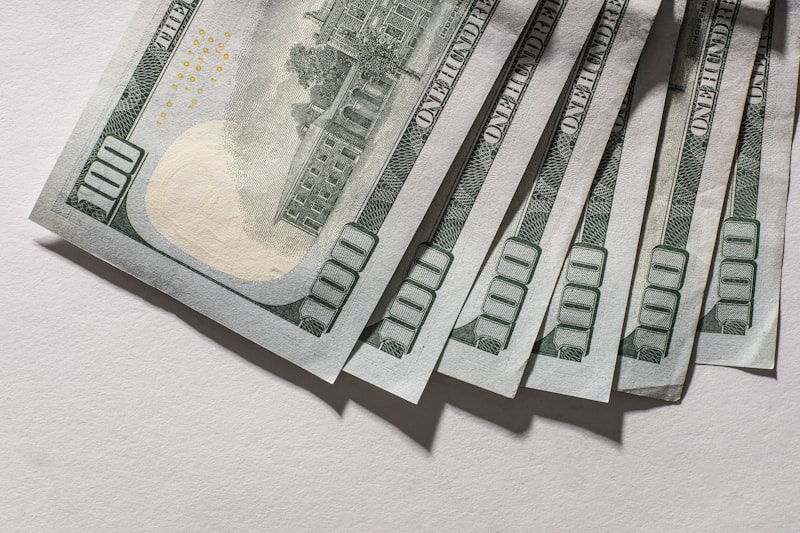
Before You Sell: Know What You Have
The single biggest mistake sellers make is listing currency before understanding its value. A note you assume is worth $20 might be worth $2,000 if it has a rare serial number, is a star note replacement, or contains a printing error.
Steps to Identify and Value Your Notes
- Identify the denomination, series year, and seal color. The series year is printed on the face of the note near the portrait. Seal colors (green, blue, red, brown, gold) indicate different note types.
- Check for star notes. A small star symbol at the end of the serial number means the note is a replacement, and many star notes carry premiums. Use a star note lookup tool to check print run sizes.
- Look for fancy serial numbers. Patterns like low numbers (00000001), repeaters (12341234), solids (88888888), and ladders (12345678) add significant value.
- Inspect for errors. Missing prints, misalignments, ink smears, and fold-overs are all collectible. Even minor errors can be worth $25 to $100 above face value.
- Assess condition. Uncirculated notes are worth substantially more than heavily circulated ones. Handle old notes carefully by the edges and store them in acid-free holders.
- Scan with CashScan. The app identifies your bill's series, checks for notable features, and gives you a starting point for research.
Quick Reference: Note Types That Carry Premiums
| Note Type | What to Look For | Typical Premium |
|---|---|---|
| Star notes | Star symbol in serial number | $2–$500+ depending on run size |
| Silver certificates | Blue seal, series 1935 or 1957 | $2–$300+ |
| Fancy serial numbers | Patterns, low numbers, repeaters | $5–$5,000+ |
| Error notes | Misprints, miscuts, missing ink | $25–$100,000+ |
| National Bank Notes | Name of issuing bank on face | $50–$10,000+ |
| Large-size notes (pre-1929) | Physically larger than modern bills | $30–$50,000+ |
| Gold certificates | Gold/orange seal | $100–$50,000+ |
| Old $100 bills | Pre-1996 series, small head design | $110–$5,000+ |
Option 1: Auction Houses (Best for Valuable Notes)

Major auction houses are the gold standard for selling rare and valuable currency. They attract thousands of serious collectors worldwide, which drives competitive bidding and higher realized prices.
Heritage Auctions
Heritage Auctions is the world's largest collectibles auction house and handles more U.S. currency sales than any other venue. Their currency department holds multiple signature auctions per year, each featuring hundreds of lots.
Best for: Notes worth $200 or more.
How it works:
- Submit photos and descriptions through their website
- Their experts evaluate your notes and provide a consignment estimate
- Accepted notes are photographed, cataloged, and included in an upcoming sale
- Bidding takes place online with a live component
- You receive payment (minus fees) after the auction closes
Fees: Heritage charges a seller's commission that varies based on the consignment agreement. Buyer's premiums (currently 22% with a $29 minimum) are added on top of the hammer price, so they do not reduce your payout directly. Ask about their consignment terms before committing.
Pros:
- Largest buyer pool in the hobby
- Professional photography and cataloging
- Global marketing reach
- Track record of record-breaking prices
Cons:
- Minimum lot values may apply
- Auctions are scheduled months in advance
- Payment timeline can be 45+ days after the sale
Stack's Bowers Galleries
Stack's Bowers is another premier auction house with a strong currency division. They hold multiple sales annually, including sessions at major coin shows.
Best for: Notes worth $300 or more, especially National Bank Notes, large-size notes, and high-grade type notes.
Fees and process: Similar to Heritage. Contact their currency department for a consignment proposal.
U.S. Currency Auctions (USCA)
USCA is a smaller, currency-focused online auction platform. They offer unlimited free listings, which makes them accessible for mid-range notes that might not meet the minimums at Heritage or Stack's Bowers.
Best for: Notes worth $50 to $500 that need a collector audience without high minimum lot values.
Option 2: Online Marketplaces (Best for Mid-Range Notes)
eBay
eBay remains one of the most popular platforms for selling collectible currency. The buyer pool is enormous, and the category is active.
Best for: Notes worth $10 to $2,000.
Tips for selling currency on eBay:
- Photograph both sides under even lighting. eBay requires actual photos (no stock images) for ungraded currency.
- Include key details in the title: denomination, series year, seal color, condition, and any special features (star note, error, fancy serial).
- Use auction format for rare notes. Seven-day auctions starting at a low price attract more bidders and often result in higher final prices than fixed-price listings.
- Use fixed-price for common notes. If you know the market value, a Buy It Now listing avoids the risk of underselling.
- Note eBay's currency policies. Ungraded currency listings must have a starting price under $2,500, and current exchangeable ungraded notes cannot exceed $1,000 per listing. Only PMG and PCGS Currency graded notes can be listed above those thresholds.
- Factor in fees. eBay charges approximately 13% in combined seller fees and payment processing. Price accordingly.
Pros:
- Massive buyer base
- Auction or fixed-price options
- Buyer protection encourages higher bids
Cons:
- 13% fee cut
- Risk of non-paying bidders
- Scam attempts on high-value listings
- Shipping and insurance costs
Specialized Online Dealers
Several dealers buy currency directly, often at wholesale prices but with fast, hassle-free transactions.
- PaperMoneyWanted.com: Submit photos for a quick offer. They specialize in National Bank Notes, large-size notes, and star notes.
- Coinfully: Offers free appraisals and competitive offers for entire collections. They handle shipping logistics.
Best for: Sellers who want a quick, guaranteed sale without the uncertainty of auction or marketplace listing.
Trade-off: You will typically receive 50% to 70% of retail value. Dealers need margin to resell. This is the cost of speed and certainty.
Option 3: Local Coin and Currency Dealers (Best for Quick Cash)
Local dealers provide the fastest path from note to cash. You walk in, get an offer, and leave with money the same day.
How to Find Reputable Local Dealers
- Check the ANA Dealer Directory: Members of the American Numismatic Association agree to a code of ethics.
- Look for PNG members: The Professional Numismatists Guild requires stringent ethical standards and financial backing.
- Read online reviews. Check Google, BBB, and Yelp. Pay attention to how dealers respond to negative feedback.
- Visit multiple dealers. Never accept the first offer. Get at least three quotes for valuable notes.
What to Expect at a Dealer
| Factor | Typical Experience |
|---|---|
| Offer speed | Immediate to same-day |
| Offer range | 40%–70% of retail value |
| Negotiation | Expected and welcome |
| Payment | Cash or check on the spot |
| Best for | Common to mid-range notes, quick liquidation |
Pros:
- Instant payment
- No shipping risk
- Face-to-face negotiation
- No listing fees
Cons:
- Below-retail offers (dealers need profit margin)
- Limited buyer competition (one person, one offer)
- Expertise varies by dealer
Option 4: Currency Shows and Conventions
Coin and currency shows put dozens or hundreds of dealers under one roof. You can shop your notes to multiple buyers in a single visit, creating competition that drives better offers.
Major Shows for Currency Sellers
| Show | Typical Date | Location |
|---|---|---|
| FUN Show | January | Orlando, FL |
| Central States Numismatic Society | April | Varies (Midwest) |
| ANA World's Fair of Money | August | Varies |
| Baltimore Coin & Currency Show | Spring and Fall | Baltimore, MD |
| Great American Coin Show | September/October | Rosemont, IL |
Strategy for selling at shows:
- Bring your notes in protective holders with a written inventory
- Visit multiple tables before accepting any offer
- Start with dealers who specialize in your note type (large-size, Nationals, errors)
- Be prepared to negotiate
- Bring identification; dealers may require it for large purchases
Pros:
- Multiple competing buyers in one location
- Expert opinions available for free (dealers want your business)
- Networking for future sales
Cons:
- Travel costs (hotel, admission, gas)
- Shows are scheduled events; you must plan around them
- Carrying valuable notes in public
Option 5: Online Communities (Best for Learning and Selling)
- r/papermoney: Active community for identification, valuation, and buying/selling
- r/coins4sale: Marketplace subreddit where currency is also traded
- r/BankStrapHunting: Focused on searching through bank straps for valuable notes
Best for: Getting free opinions on value before selling elsewhere, and selling mid-range notes to knowledgeable collectors.
Paper Money Forum
PaperMoneyForum.com is a dedicated community for paper money collectors. Their marketplace section allows direct sales between members.
Best for: Specialized or niche notes (Nationals, obsoletes, fractionals) where knowledgeable buyers congregate.
Should You Get Your Notes Graded Before Selling?
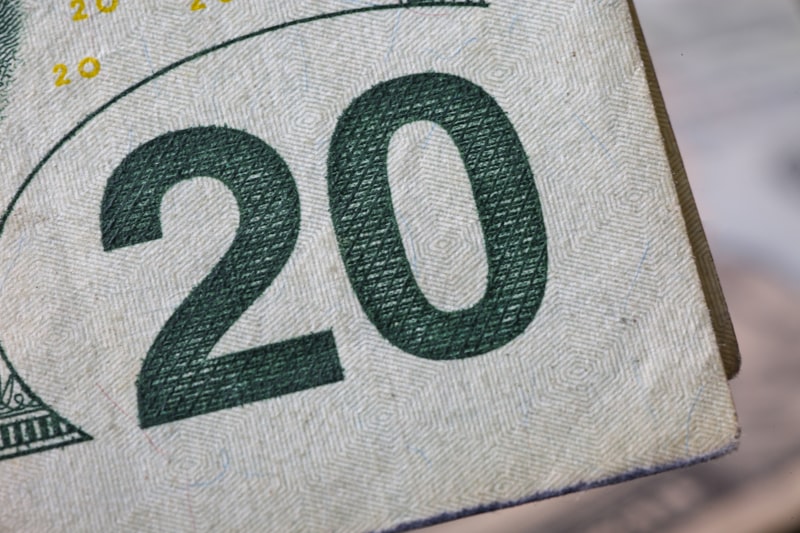
Professional grading by PMG or PCGS Currency encapsulates your note in a tamper-evident holder with an assigned grade. This removes authenticity concerns and establishes a standardized condition rating.
When Grading Pays Off
| Estimated Raw Value | Grading Recommendation |
|---|---|
| Under $50 | Skip grading. Fees ($22–$65+ per note) eat into your profit. |
| $50–$200 | Consider grading if the note is uncirculated or has a notable feature. |
| $200–$1,000 | Strongly recommended. Graded notes sell for 20%–50% more than raw. |
| $1,000+ | Essential. Buyers at this level expect third-party authentication. |
PMG vs. PCGS Currency
Both are respected services. PMG is more widely used in the paper money hobby and has a larger census database. PCGS Currency is well-established in the coin market and gaining traction with paper money collectors. Either holder is accepted by all major auction houses and eBay.
Turnaround times range from 5 business days (express, higher fee) to 45+ business days (economy). Plan ahead if you have a sale deadline.
PMG Expert Review on eBay
PMG offers a low-cost preliminary review service for notes listed on eBay. For $5 to $10 per note, you get a preliminary authenticity and grade opinion within two business days, plus a voucher toward full grading. This is a smart first step if you are unsure whether full grading is worthwhile.
How to Maximize Your Sale Price

Photography Tips
Great photos sell notes. Poor photos kill bids.
- Use natural or diffused lighting. Avoid harsh flash, which creates glare and washes out details.
- Shoot both sides. Every buyer wants to see the back.
- Include close-ups of serial numbers, signatures, and any special features.
- Use a plain, contrasting background. A dark note on a dark surface is hard to evaluate.
- Show the note flat. Do not photograph notes inside plastic sleeves with glare.
Timing Your Sale
- Auction houses schedule sales months in advance. Consign early to make the next sale window.
- eBay sales peak on Sunday evenings (Eastern Time). End your auctions then.
- Shows attract the most buyers on the first day (preview day or opening morning).
Presentation Matters
- Store notes in Mylar holders or PMG/PCGS slabs
- Never fold, staple, tape, or write on collectible notes
- Include any provenance information (where and when you acquired the note)
- Be honest about condition; overstating grade destroys trust
Common Mistakes to Avoid
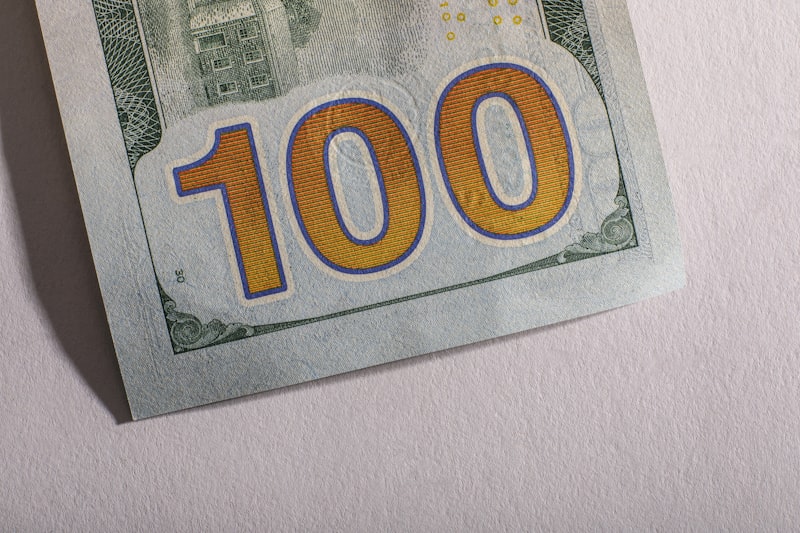
- Accepting the first offer. Always get multiple quotes, especially for notes worth $100 or more.
- Cleaning or "improving" notes. Never wash, iron, press, or chemically treat paper money. These alterations are detectable and reduce value.
- Ignoring shipping safety. Use rigid cardboard mailers, tracking, and insurance. A $500 note lost in a plain envelope is a $500 lesson.
- Selling without research. Spend 30 minutes checking Heritage Auctions past sales and eBay sold listings for comparable notes. Knowledge is your best negotiating tool.
- Bundling rare notes with common ones. Dealers lowball bulk lots. Identify your best notes and sell them individually through the appropriate channel.
- Skipping authentication for high-value notes. Ungraded notes worth $500+ leave money on the table. The grading fee pays for itself through higher sale prices.
Selling by Note Type: A Quick Guide
| What You Have | Best Selling Venue | Why |
|---|---|---|
| Modern star notes ($1–$20) | eBay | Large collector base, notes sell fast |
| Silver certificates | eBay or local dealer | Common enough for easy sales |
| National Bank Notes | Heritage Auctions or currency shows | Specialist collectors drive premiums |
| Large-size notes (pre-1929) | Auction house | Rarity demands competitive bidding |
| Error notes | Heritage Auctions or specialized dealer | Authentication and expertise matter |
| Fancy serial numbers | eBay | Broad appeal, easy to photograph |
| Gold certificates | Auction house | High value, specialist market |
| Common circulated notes | Local dealer | Quick, no fees, fair wholesale price |
| Full collection (mixed) | Auction house or estate buyer | One transaction, professional cataloging |
Tax Considerations
Selling collectible currency for more than you paid triggers a capital gains tax obligation in the United States. The IRS classifies collectibles (including currency) as subject to a maximum 28% long-term capital gains rate.
Key points:
- Keep records of your purchase price (cost basis) for every note
- Sales over $600 through online platforms will generate a 1099-K
- Inherited collections generally use the fair market value at the date of death as their cost basis (stepped-up basis)
- Consult a tax professional for large collections or high-value sales
This guide is for informational purposes only and does not constitute tax advice.
Frequently Asked Questions
How do I know if my old paper money is worth anything?
Check the series year, seal color, serial number, and overall condition. Star notes, silver certificates, notes with fancy serial numbers, and pre-1950 notes in good condition almost always carry premiums above face value. Scanning your note with CashScan gives you a quick identification starting point.
What is the fastest way to sell old paper money?
A local coin or currency dealer provides same-day cash offers. You will receive wholesale pricing (typically 40% to 70% of retail value), but the transaction is immediate with no shipping, listing fees, or waiting periods.
Is it worth grading paper money before selling?
For notes estimated to be worth $200 or more, professional grading by PMG or PCGS Currency almost always increases the sale price by more than the grading fee. For common notes worth under $50, grading fees erode your profit.
How much do auction houses charge to sell currency?
Seller commissions vary by auction house and consignment agreement. Heritage Auctions and Stack's Bowers typically negotiate rates based on the value and size of the consignment. Expect to pay between 5% and 15% of the hammer price as a seller's commission, though this varies.
Can I sell old paper money at a bank?
Banks will accept old U.S. currency at face value only. They do not pay collector premiums. If your note has any collectible value, selling at a bank means losing that premium. The exception is damaged or mutilated currency, which the BEP's Mutilated Currency Redemption program handles for free.
Should I sell my paper money collection all at once or piece by piece?
Selling individually through the right channels maximizes total return but requires more time and effort. Selling as a complete collection is faster and simpler but usually yields a lower total. A good middle ground: sell your top 10 to 20 most valuable notes individually through auctions or eBay, and sell the remainder as a bulk lot to a dealer.
What should I do if I find an old bill I think is valuable?
Do not fold, clean, or handle it excessively. Place it in a Mylar currency holder or clean plastic sleeve. Research the series and features using Heritage Auctions price archives and eBay sold listings. Scan it with CashScan for a quick identification. If it appears to be worth $200 or more, consider professional grading before selling.
Conclusion
Selling old paper money successfully comes down to three things: knowing what you have, choosing the right venue, and presenting your notes professionally. Start by identifying your notes and researching comparable sales. Match each note to the selling channel that fits its value level. For common notes, local dealers and eBay work well. For rare or high-value notes, auction houses deliver the best results.
Take the time to get valuable notes graded, photograph everything carefully, and never accept the first offer without shopping around. The difference between a rushed sale and a strategic one can be hundreds or thousands of dollars.
For more help identifying your currency, check out our guides on rare dollar bills worth money, silver certificate values, and old $100 bills. If you collect coins alongside paper money, CoinID can help you identify and value coins in your collection.
Ready to identify your banknotes? Scan any bill with CashScan to instantly identify its series, check for notable features, and start your research.
Download CashScan free on the App Store to identify any banknote instantly.
